
Pinhole Failure in a Plate Heat Exchanger: Causes, Risks, and Fast Repair
A small leak in a plate heat exchanger may seem minor—but it can quickly lead to costly downtime, reduced efficiency, and system failure.
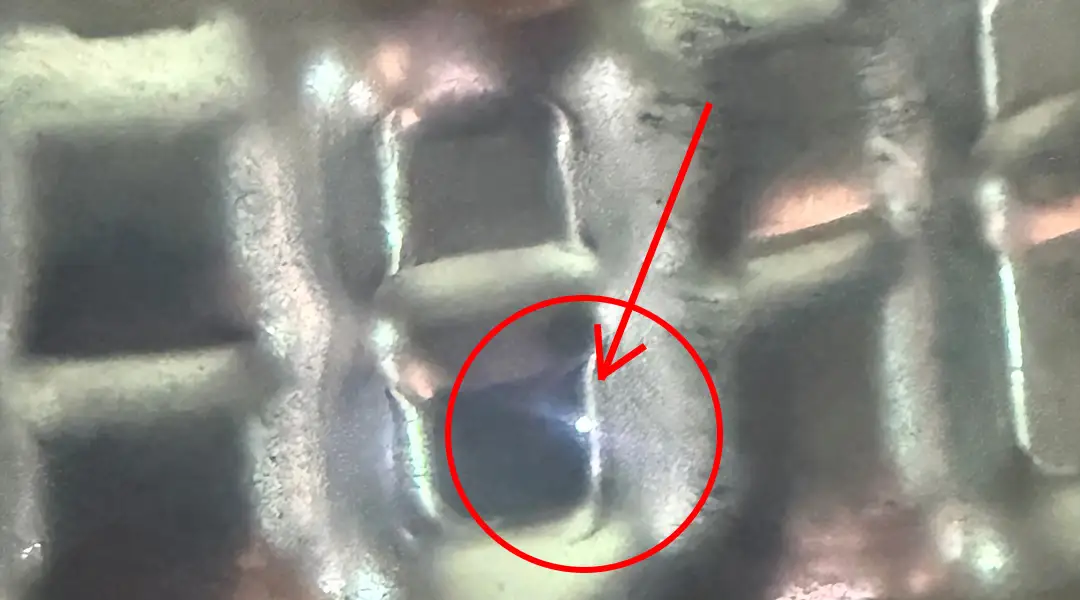
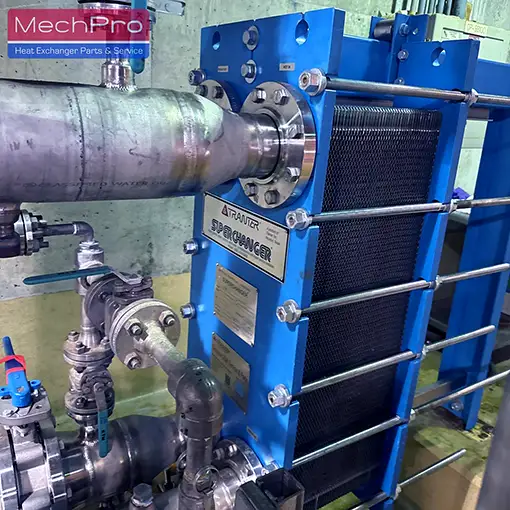
In a recent field service case, our team identified a pinhole leak in a plate heat exchanger that was barely visible—yet significant enough to impact system performance.
This article breaks down:
- What causes pinhole failures
- Why even newer units can fail
- How to detect early warning signs
- What fast repair looks like in real-world conditions
To Schedule Parts & Service Today
Call 1 (800) 249-6709 or Use our RFQ Form
What Is a Pinhole Leak in a Plate Heat Exchanger?
A pinhole leak is a microscopic perforation in a heat exchanger plate, often caused by:
- Corrosion (chemical or galvanic)
- Material fatigue
- Manufacturing defects
- Water quality issues
- Improper gasket sealing or plate alignment
Even though these holes are extremely small, they can:
- Allow fluid cross-contamination
- Reduce thermal efficiency
- Lead to pressure drops
- Escalate into larger failures
Real-World Case Study: Small Leak, Big Impact
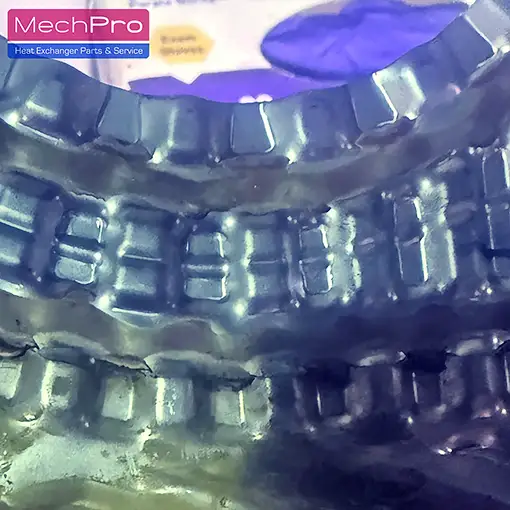
One of our customers reported a small drip coming from the side of their plate heat exchanger.
At first glance, it appeared minor.
However, upon inspection, we discovered:
- A pinhole failure in one plate
- The hole was so small it couldn’t pass a needle through
- The unit was only 18 months old
- Operating under low pressure conditions
Despite these factors, the failure still occurred.
How MechPro Resolved the Issue
Our service team acted quickly to minimize downtime:
✔ Identified the damaged plate
✔ Removed the failed plate and its companion
✔ Reassembled the unit
✔ Restored full operation
⏱️ Total downtime: just a few hours
This rapid response prevented:
- Extended production loss
- Additional system damage
- Higher repair costs
Why Do Plate Heat Exchanger Plates Fail So Early?
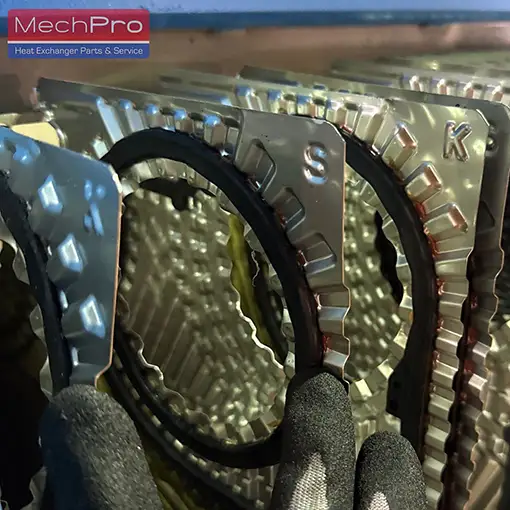
Even newer systems can fail due to:
- Water Chemistry Issues
Improper pH or contaminants accelerate corrosion. - Material Compatibility
Incorrect plate material for the application environment. - Thermal Stress
Frequent temperature cycling weakens plate integrity. - Flow Imbalance
Uneven distribution creates localized wear. - Lack of Preventative Maintenance
Small issues go undetected until failure occurs.
Warning Signs of a Plate Heat Exchanger Leak
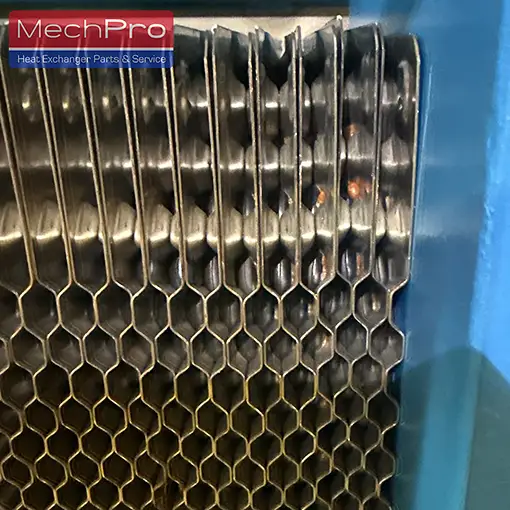
Early detection is critical. Look for:
- Small drips or moisture around the unit
- Unexplained drops in performance
- Pressure inconsistencies
- Cross-contamination between fluids
- Increased energy consumption
Why Fast Response Matters
A pinhole leak may seem insignificant—but delays can lead to:
- Full plate failure
- System shutdown
- Product contamination
- Expensive emergency repairs
👉 The faster the issue is diagnosed and resolved, the lower the total cost.
Preventing Pinhole Failures
To reduce risk:
- Schedule regular inspections
- Monitor water quality
- Use correct plate materials
- Replace worn gaskets proactively
- Work with experienced service providers
When to Call a Professional
If you notice:
- Any visible leak
- Performance decline
- Unusual operating conditions
…it’s time for a professional inspection.
Need Help with a Plate Heat Exchanger Issue?
MechPro specializes in:
- Plate heat exchanger repair
- Plate and gasket replacement
- Emergency service
- Preventative maintenance
📩 Contact us today to schedule an inspection or get a second opinion on your system.
Common Questions About Heat Exchanger Plate Pinhole Leaks
What causes a pinhole leak in a plate heat exchanger?
Pinhole leaks are typically caused by corrosion, material fatigue, or chemical reactions within the system.
Can a small leak cause major damage?
Yes. Even tiny leaks can lead to efficiency loss, contamination, and eventual system failure.
How long does it take to repair a plate heat exchanger?
In many cases, repairs can be completed within a few hours, depending on the issue.
Should a single failed plate be replaced?
Yes, along with its companion plate to maintain system integrity.
How can pinhole leaks be prevented?
Regular maintenance, proper water treatment, and correct material selection are key.